


“Exceptionally Different” – a NEOLAiA Experiential Event on Diversity and Inclusion
On December 3, the NEOLAiA Alliance NEOlife event “Exceptionally Different” took place in Šiauliai, focusing on issues of diversity and inclusion and offering participants a practical opportunity to experience how stereotypes and prejudices influence communication, decision-making, and team processes.
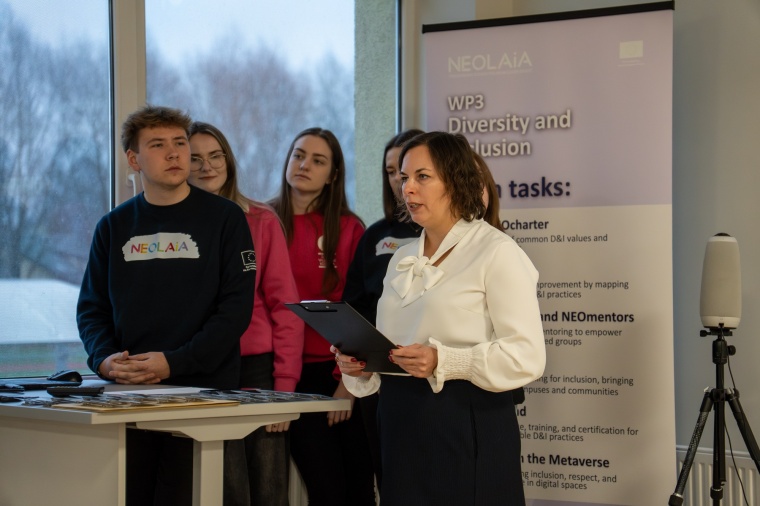
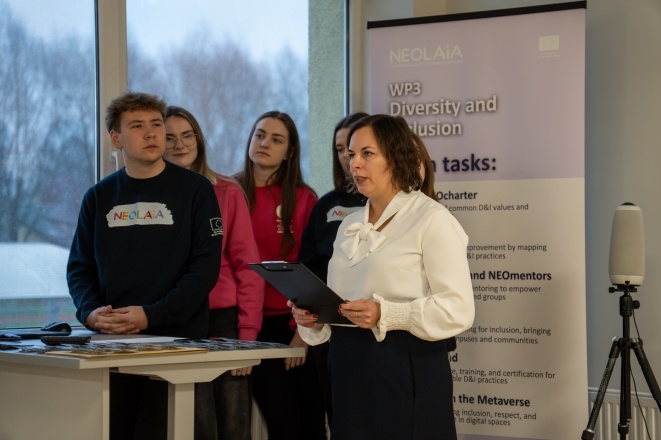
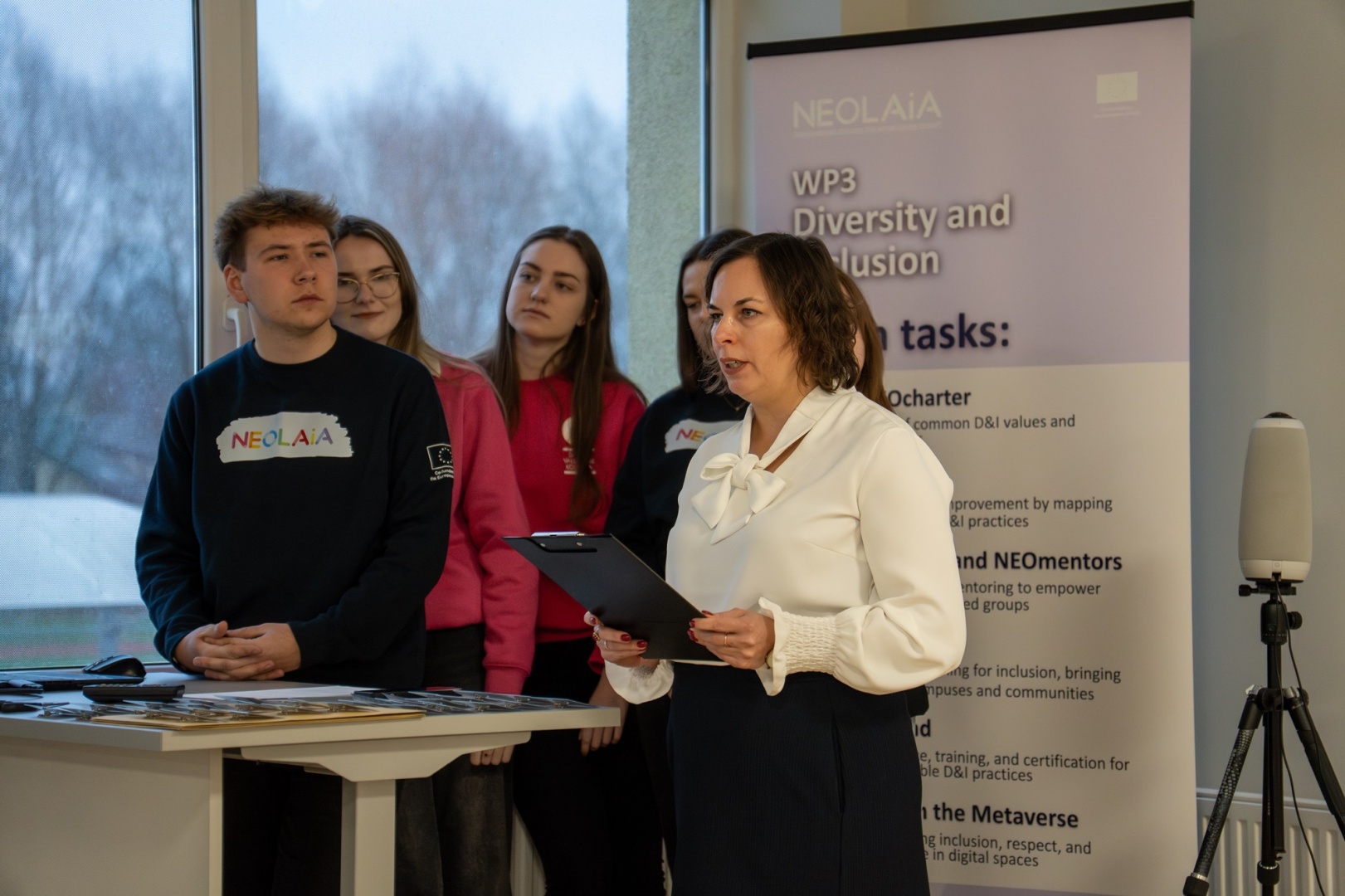
The event was organised by lecturers of the Social Work study programme of the Department of Physical, Aesthetic and Social Well-being together with third-year students Fausta, Gabija, Silvestras, Melanija, and Toma. This event was part of the implementation of activities within the NEOLAiA Diversity and Inclusion work package.
The main aim of the event was to encourage participants to better understand how different aspects of human identity, diverse experiences, and nuances of communication shape our interpersonal interactions. The session sought to develop participants’ ability to analyze complex situations, recognize stereotypes and bias, make informed decisions, and reflect on the importance of inclusion both in community life and professional practice.
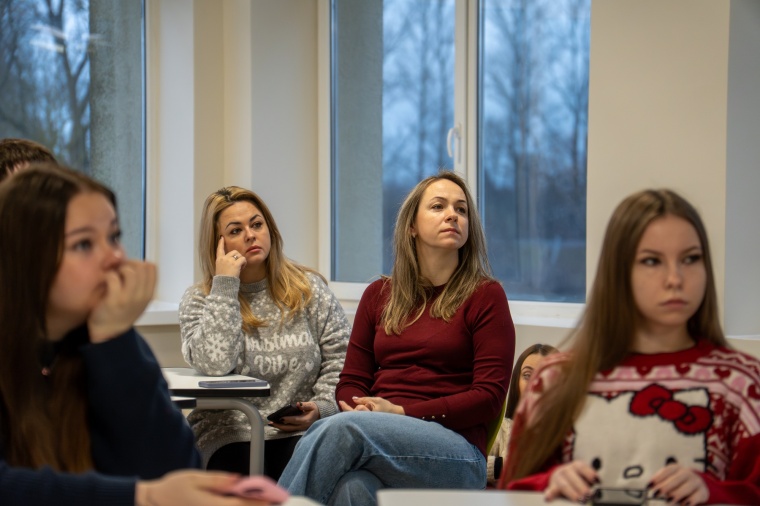
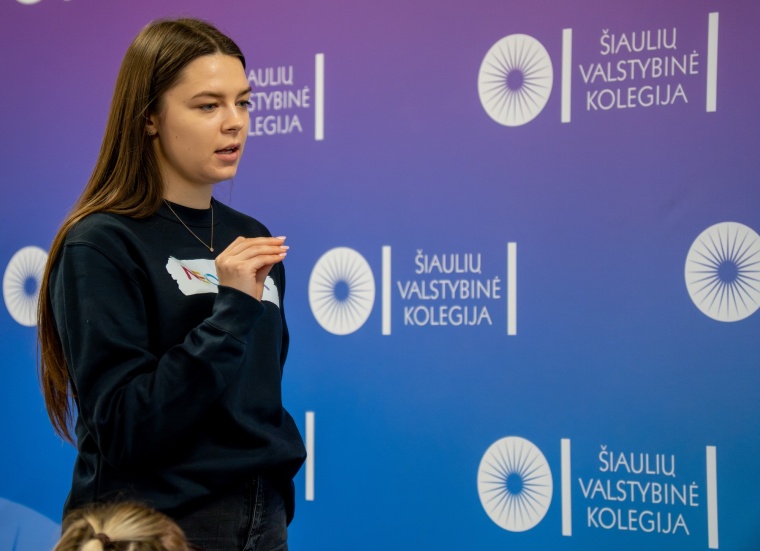
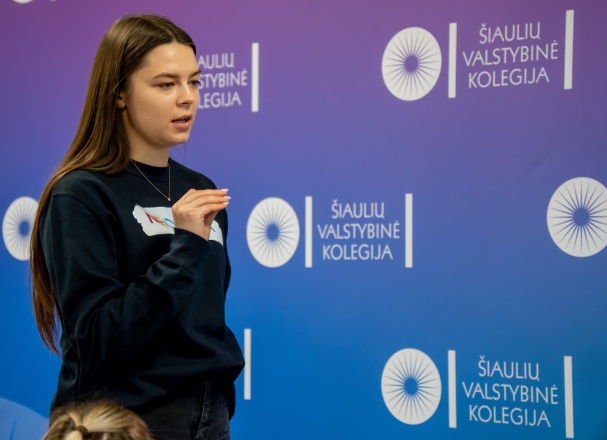
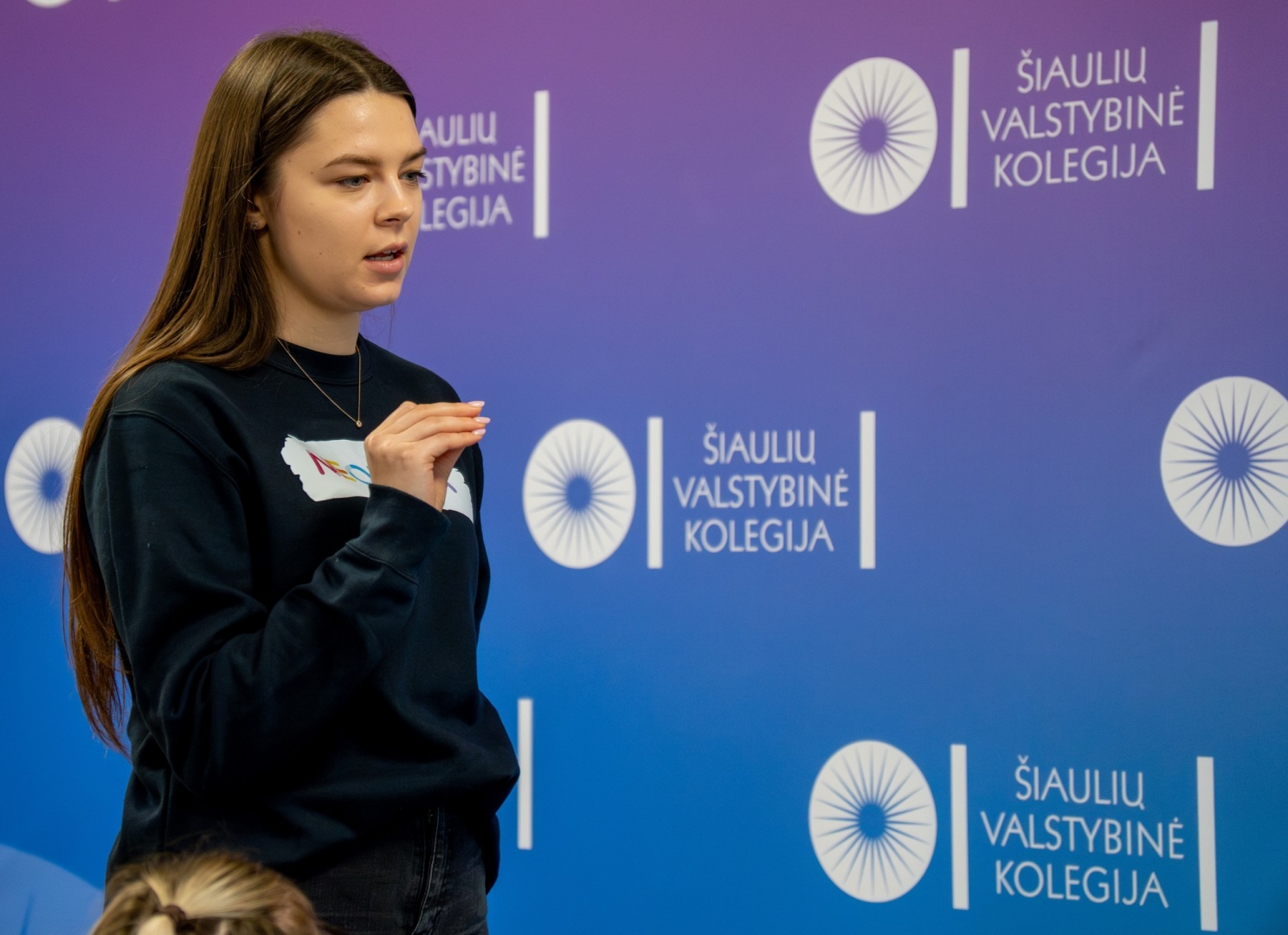
During the event, a presentation addressed the concepts of diversity and inclusion. It was emphasized that diversity encompasses both social and professional identities – such as age, gender, culture, education, and other factors that shape our worldview. Inclusion refers to the ability to create an environment in which people feel respected and seen, and have equal opportunities to grow and develop. Relevant Lithuanian statistics were presented, including data on national minorities, the community of people with disabilities, complaints received by the Office of the Equal Opportunities Ombudsperson, and migration trends. These facts helped participants better understand the challenges and changes facing Lithuanian society today.
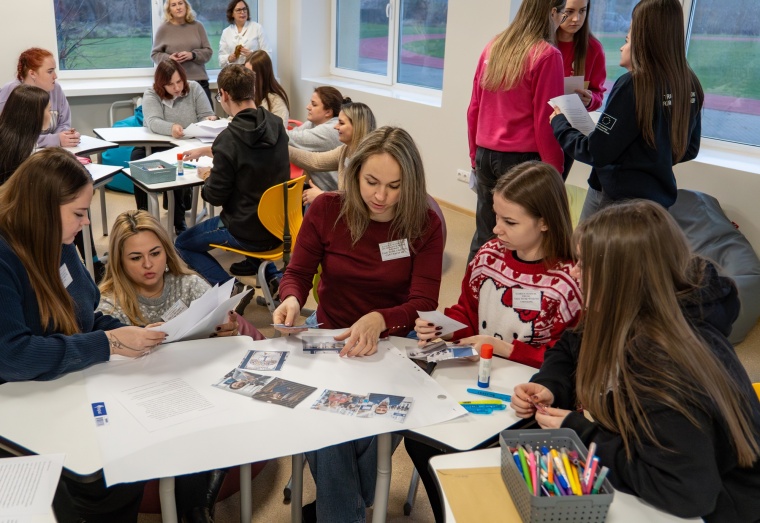
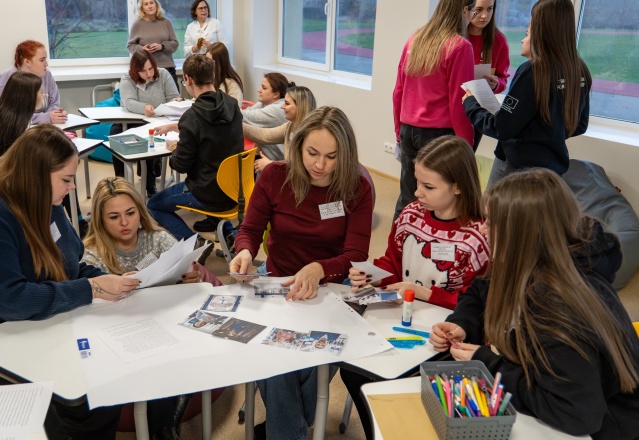
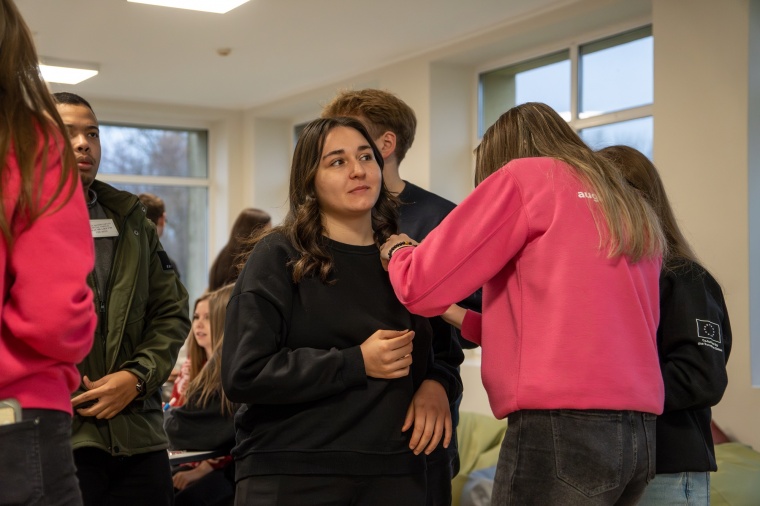
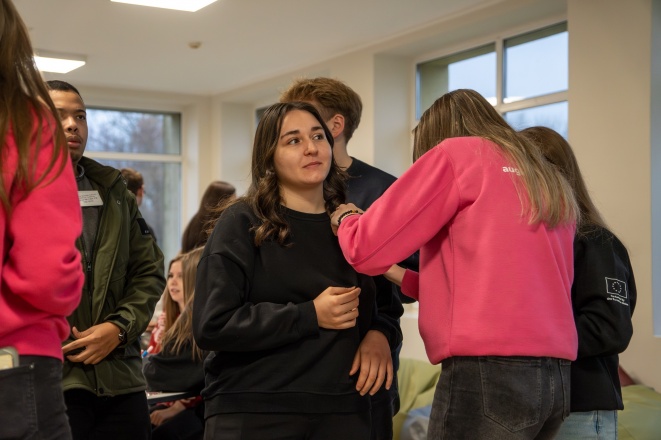
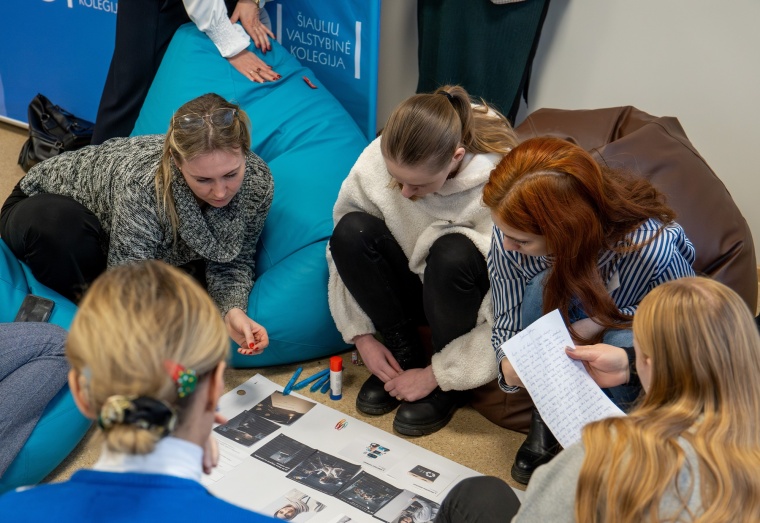
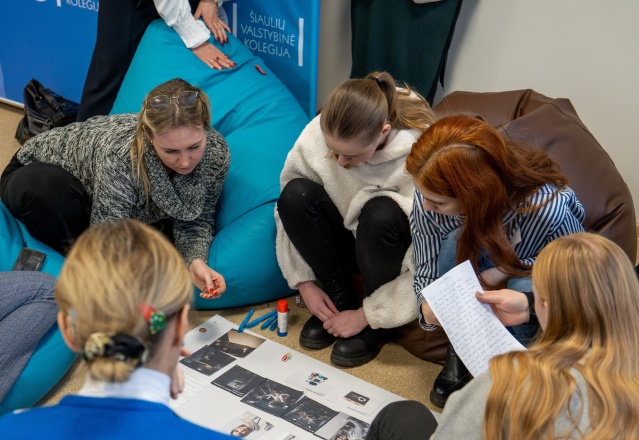
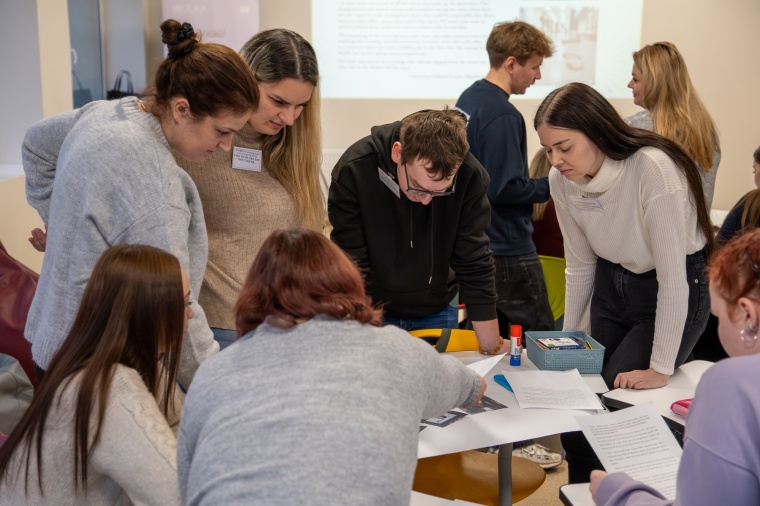
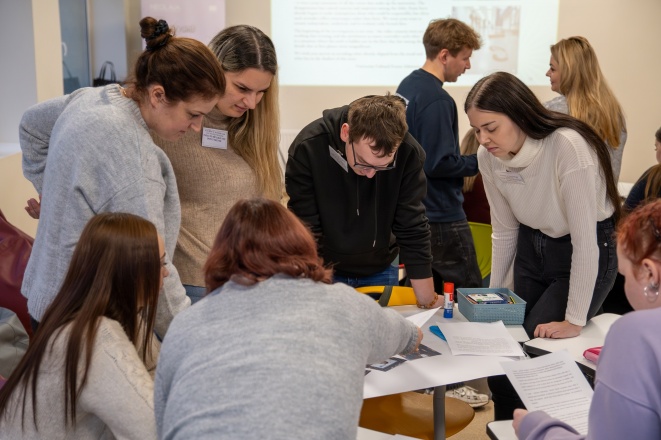
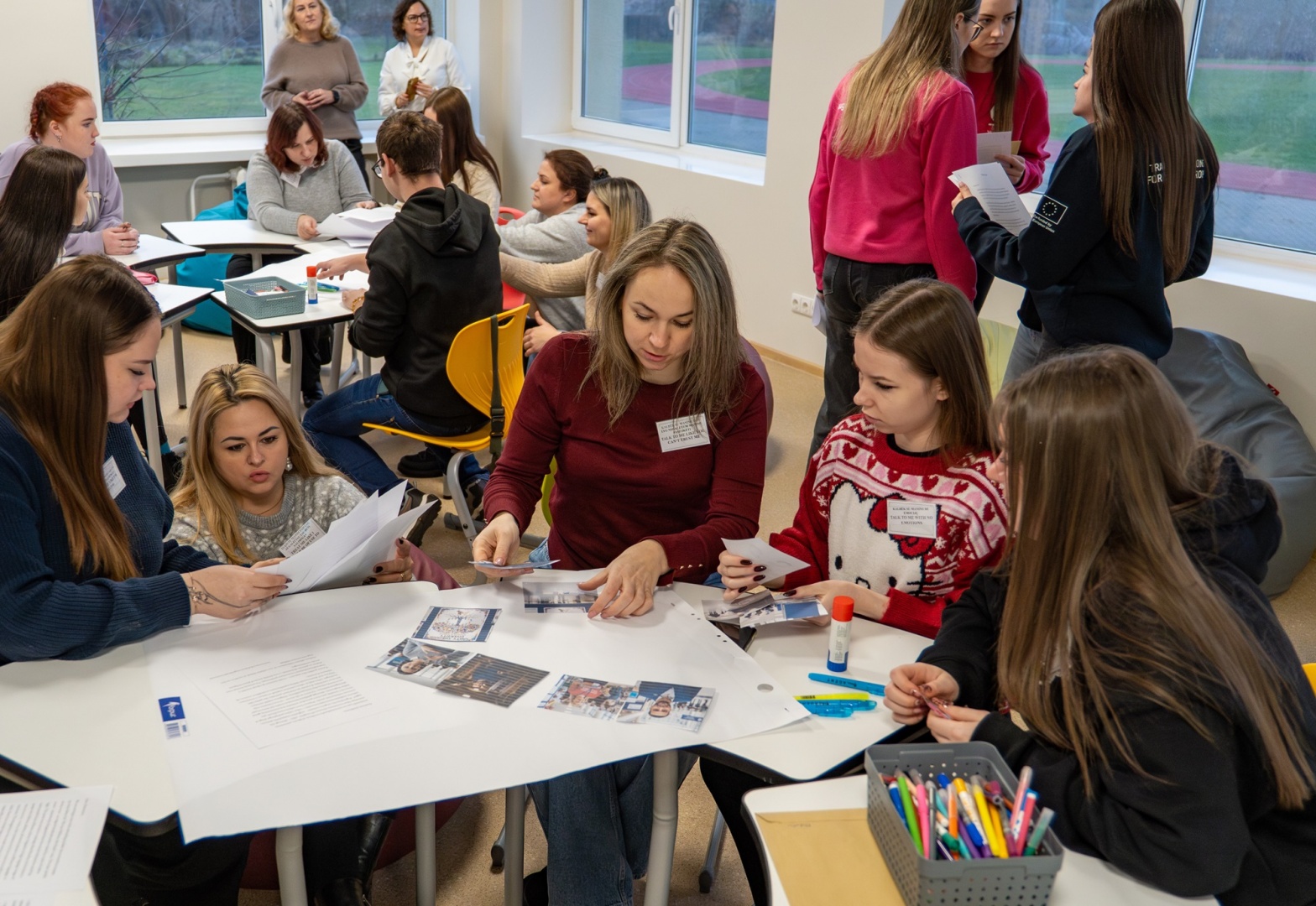
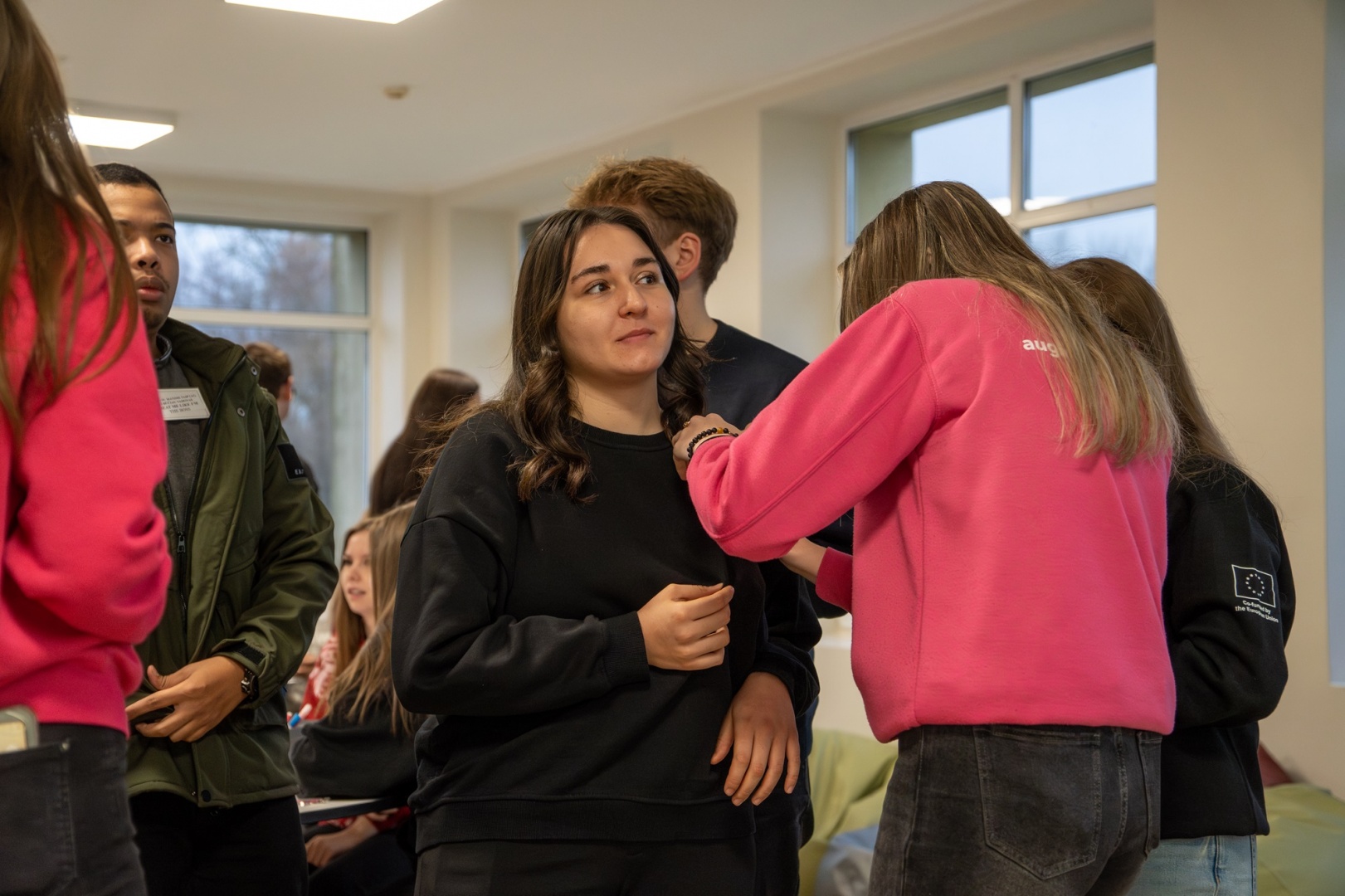
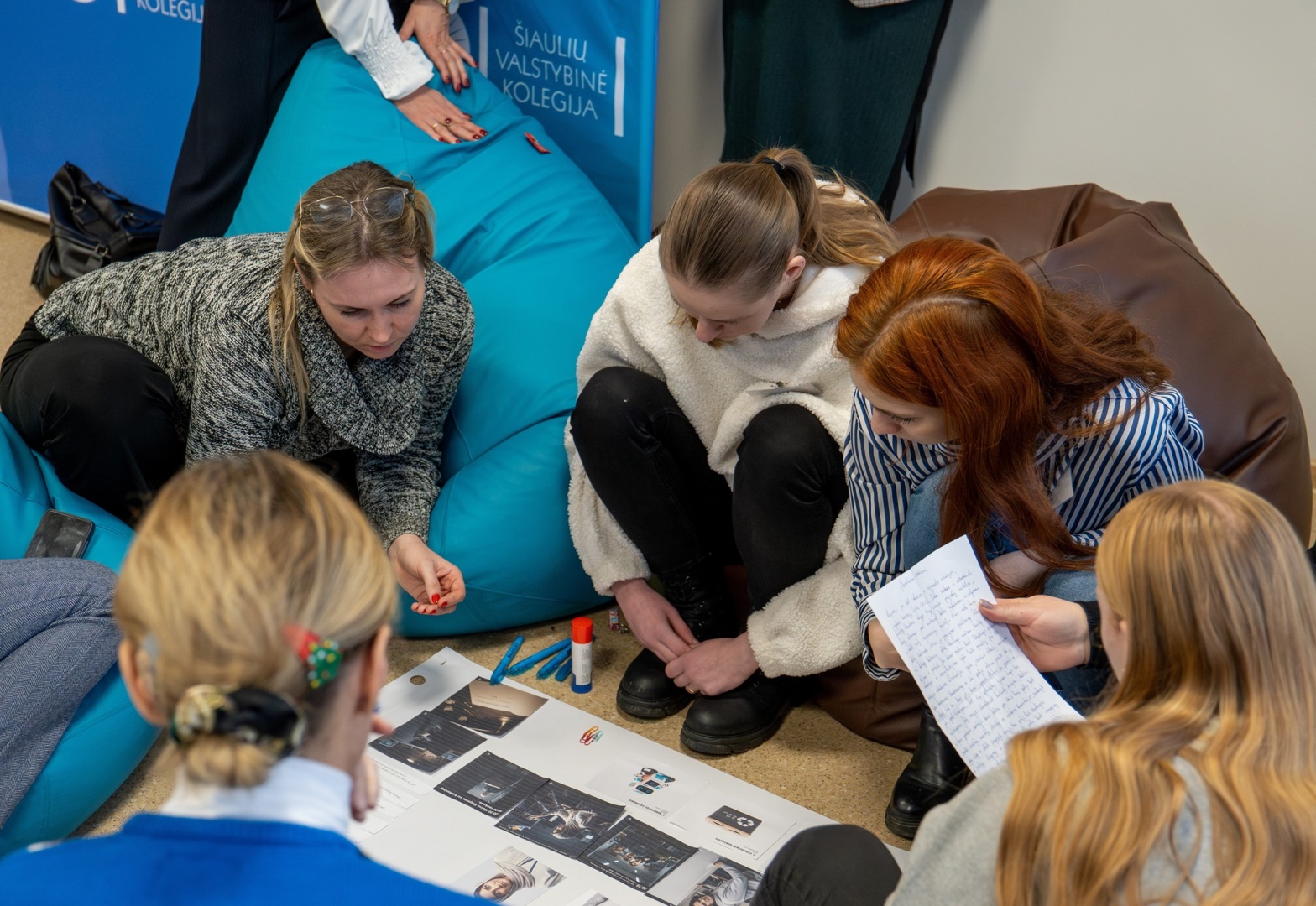
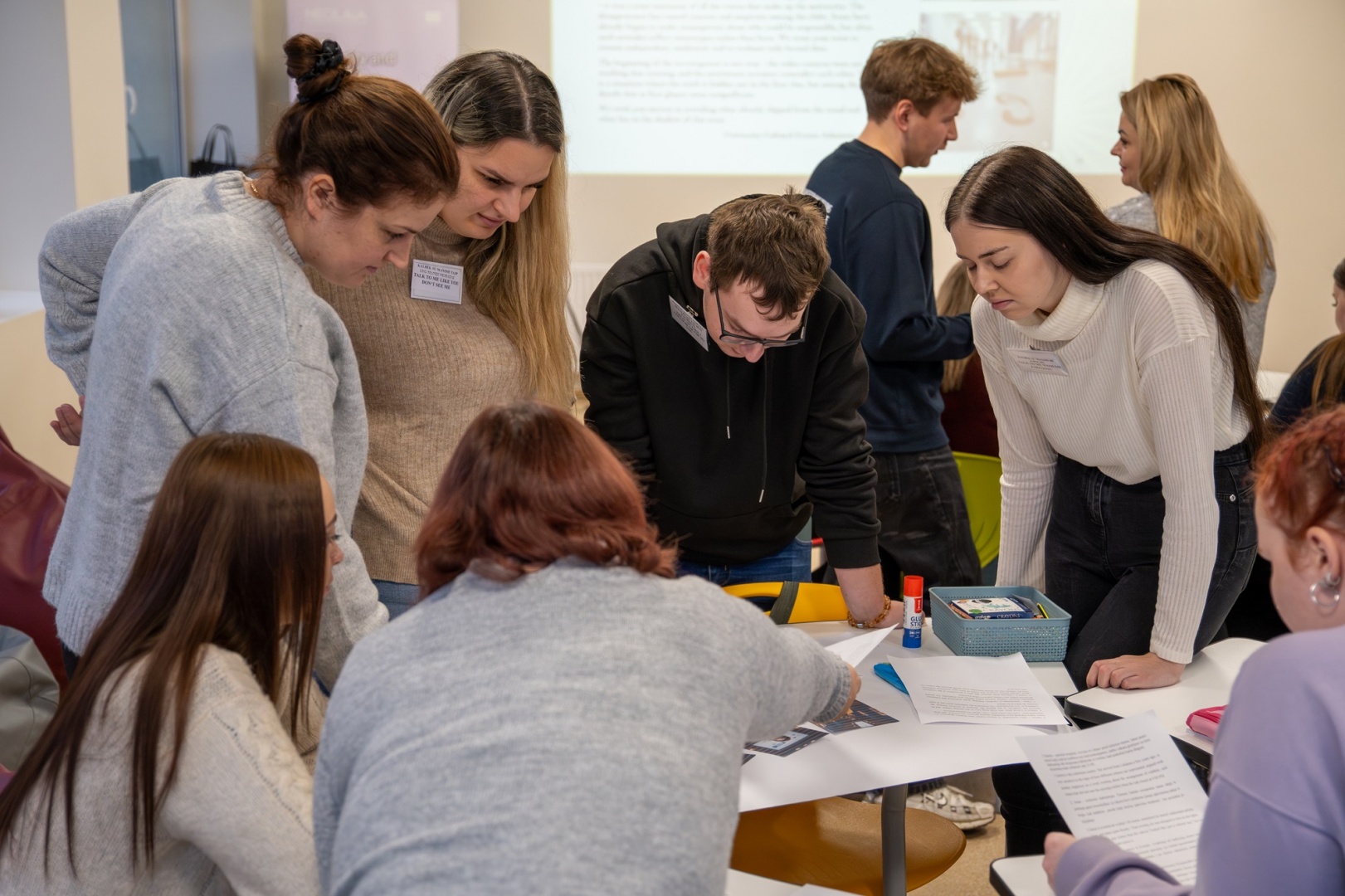
The largest part of the event was devoted to an interactive activity – a criminal case investigation. Each participant received a special “label” indicating how others should treat them, for example: “talk to me as if I cannot be trusted,” “treat me as if my ideas are not valuable,” “ignore me,” and similar instructions. This allowed participants to experience firsthand how stereotypes and preconceived notions can affect team decisions and interpersonal relationships. Participants worked together to solve criminal cases, one of which concerned the disappearance of a poster from the university event “We Are Different, But Equal.” The story was full of contradictory testimonies, unclear details, and possible interpretations, encouraging participants to rely not on assumptions but on facts and critical thinking. Teamwork clearly revealed how behavior and decisions can be influenced not by the presented facts, but by attitudes toward team members marked by “labels.”
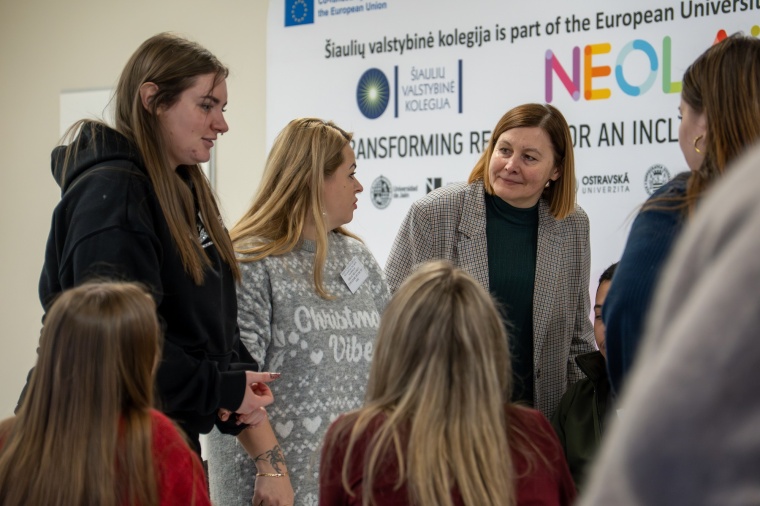
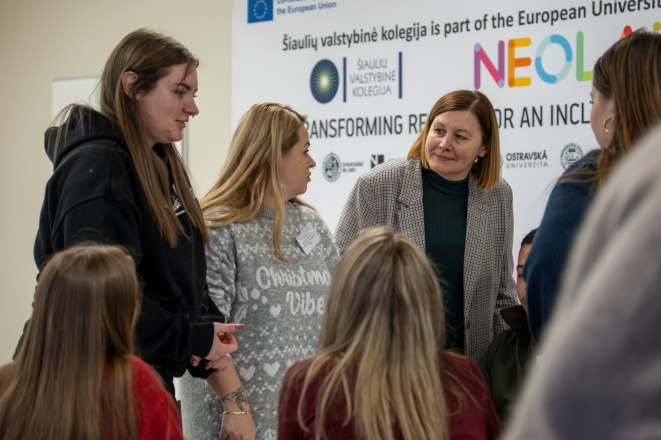
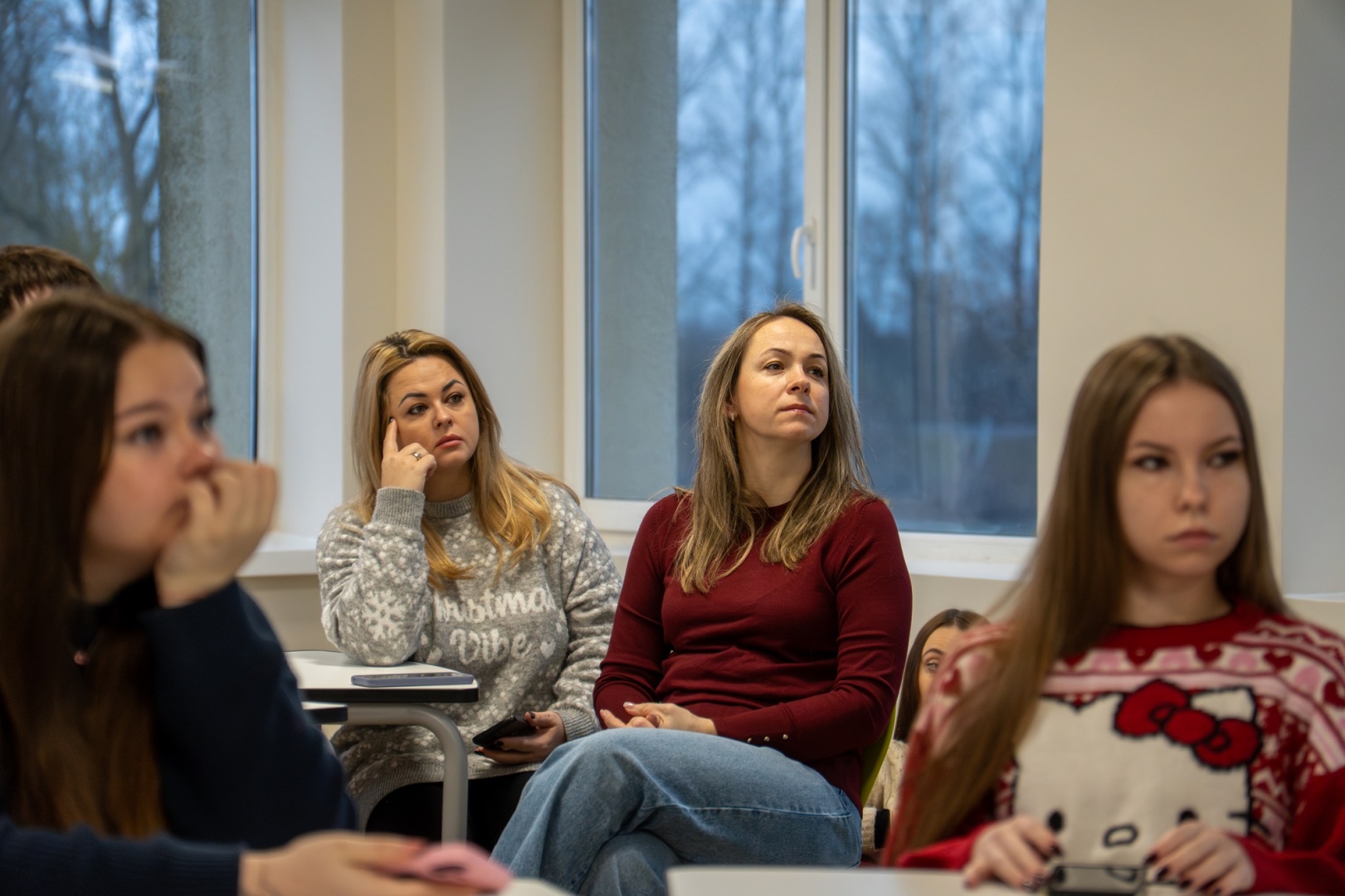
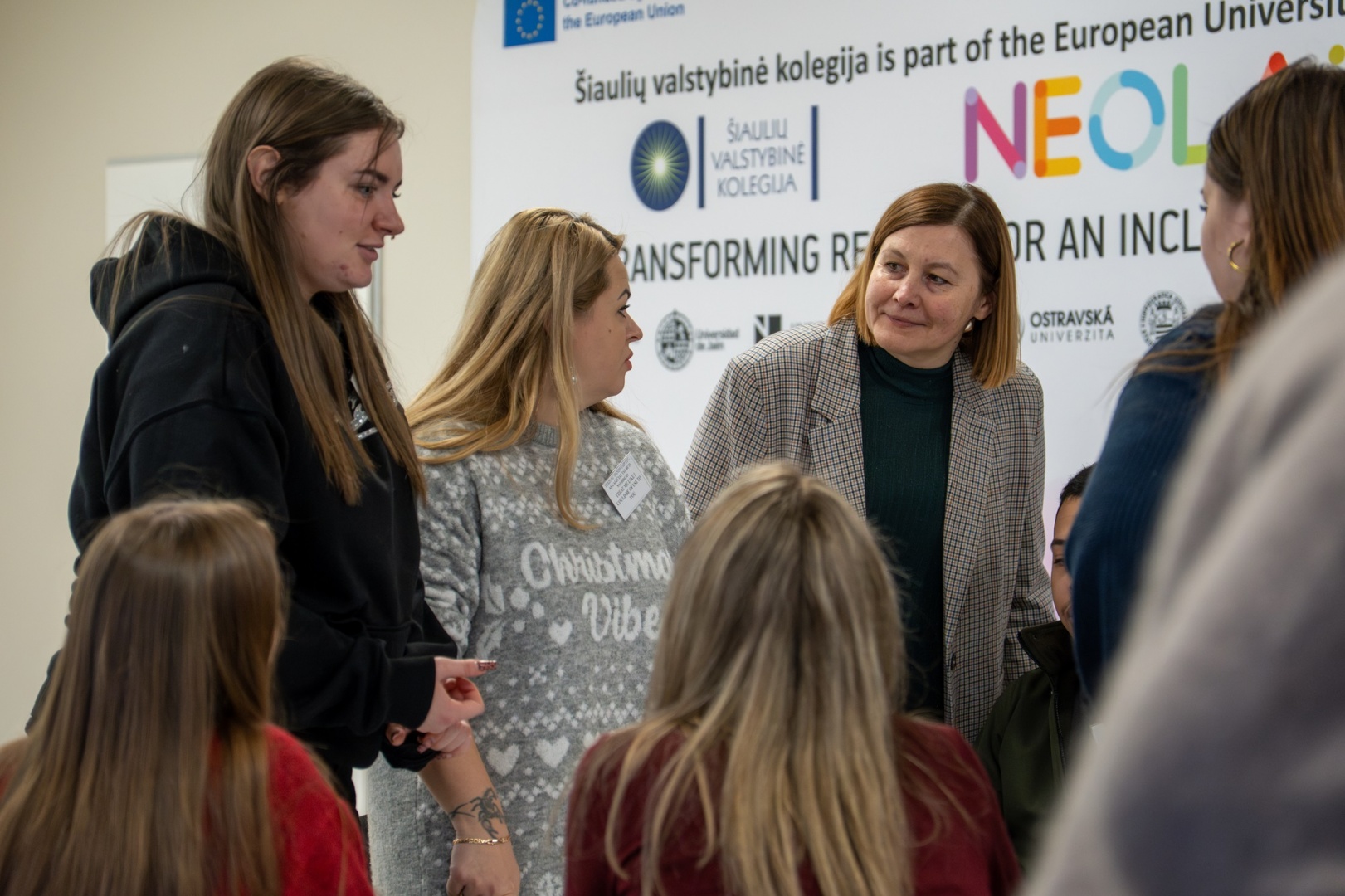
The event concluded with a joint reflection session, during which participants discussed how they felt during the activity, what surprised them the most, how easily (or unconsciously) they gave in to stereotypes, and how this experience changed their perspective on inclusion in everyday life. Many emphasized that the practical activity helped them most strongly feel the importance of diversity: some participants experienced feelings of being ignored or distrusted, while others felt an unexpected weight of responsibility. This became an excellent starting point for further discussions about respect, equality, and cooperation.